Rediscovering Charm: Using Vintage Garden Clipart in Modern Design
There is a specific kind of visual warmth that comes from looking through a grandmother’s gardening journal or an antique seed catalog. It evokes a sense of nostalgia, patience, and the organic beauty of nature. In the world of digital design, we often strive for that "perfectly imperfect" aesthetic that feels human and handcrafted. This is exactly where Vintage Garden Clipart becomes an invaluable asset. It bridges the gap between high-tech digital creation and the timeless appeal of botanical illustration.
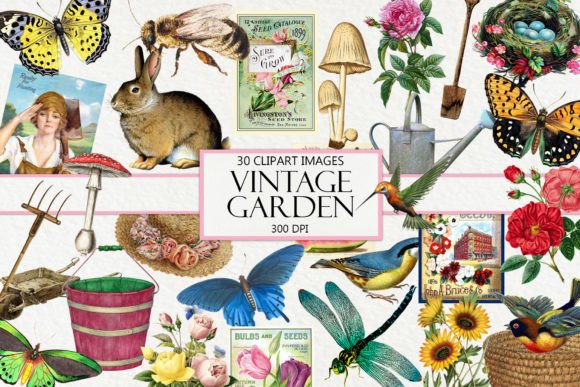
If you are a designer, crafter, or entrepreneur, you likely understand the struggle of finding imagery that doesn't look like it was churned out of a generic generator. Authenticity is key. When you are working with a collection of 30 vintage gardening images in PNG format, you aren't just getting pictures; you are getting pieces of art history that carry a distinct personality. These assets offer a solution for anyone looking to inject a bit of soul into their projects, whether that involves packaging design, social media graphics, or physical merchandise like t-shirts and mugs.
The Aesthetic of Authenticity: More Than Just Pictures
What defines the visual character of Vintage Garden Clipart? We are looking at a style that mimics the detailed line work and cross-hatching found in 19th-century woodcuts or lithographs. Unlike modern flat vectors, these images often have texture, depth, and a sense of history. They capture the delicate veins of a leaf, the intricate petals of a rose, or the sturdy structure of a watering can with a level of detail that feels organic.
The appeal lies in their versatility. Because these are provided as PNG files with transparent backgrounds, they act as digital stickers. You can layer them over textured paper backgrounds, place them next to modern typography, or use them as standalone focal points. They possess a "lived-in" quality that modern, sterile graphics often lack. This style communicates a message of sustainability, heritage, and authenticity—values that resonate deeply with today’s consumers.
Integrating Historical Imagery into Modern Brand Identity
One of the most effective ways to utilize these assets is within brand identity. Imagine a local florist, an organic skincare line, or a boutique bakery. These businesses often struggle to find a visual language that says "artisanal" without looking amateurish. By incorporating Vintage Garden Clipart, you can instantly ground a brand in a narrative of tradition and care.
For instance, consider a logo design project. While you wouldn't necessarily use a complex clipart image as the entire logo, you might use a botanical element as an emblem or crest. Paired with a clean sans serif font, a vintage botanical illustration creates a beautiful tension between the old and the new. It suggests that the brand respects tradition but operates with modern efficiency. This is a powerful psychological trigger for customers looking for reliable, high-quality goods.
Practical Applications: From Digital Screens to Physical Products
The utility of this collection extends far beyond static branding. Because these images are high-resolution and versatile, they serve as excellent design assets for a wide range of applications. Let’s break down how different professionals can leverage this collection.
For the Crafter and Hobbyist
If you are into scrapbooking, junk journaling, or creating ephemera, the transparent PNG format is a lifesaver. You can print these images onto sticker paper or vellum to create custom layers for your projects. The vintage aesthetic naturally complements distressed backgrounds and sepia tones. You can also use them for sublimation projects—think custom tumblers, tote bags, or ceramic mugs. The botanical theme is timeless, making these products perfect for gifts or craft fair inventory.
For the Digital Marketer and Content Creator
In the realm of web design and content marketing, visual fatigue is real. Audiences scroll past generic stock photos. Using Vintage Garden Clipart can break that pattern. A food blogger could use a vintage herb illustration to accent a recipe header. A wellness coach could use floral elements to frame a quote on Instagram.
Furthermore, these images work exceptionally well for creating "mockup" environments. If you are selling a digital course or an ebook, you can use the clipart to create a visual mood board on your sales page. It adds a layer of perceived value and professionalism that generic graphics cannot match.
Typography and Pairing: The Art of Visual Hierarchy
Using clipart effectively requires an understanding of visual hierarchy and typography. You cannot simply drop a detailed botanical illustration next to a script font and expect it to be legible. The interaction between the image and the text is crucial.
When working with the intricate lines of Vintage Garden Clipart, less is often more with typography. A bold, geometric sans serif font usually provides the best contrast. The clean lines of the typeface allow the organic, complex nature of the illustration to shine without the layout feeling cluttered. Conversely, if you want a fully romantic, vintage look, pairing the clipart with a delicate serif font can work, provided you pay close attention to spacing and sizing.
Consider the "weight" of the image. If you have a heavy, dark illustration of a garden tool, you need a typeface with enough visual weight to stand up to it. If you have a light, airy fern, a lighter weight font will maintain the airy feel of the design. This balance is what separates amateur design from professional typography.
Evaluating Fit and Commercial Licensing
Before diving into a project, it is essential to evaluate the specific needs of your work. While Vintage Garden Clipart is incredibly versatile, context matters.
Readability and Resolution: Since these are PNGs, they are raster images. While they are high quality, you need to ensure you do not scale them up beyond their intended resolution, or they will pixelate. Always check the dimensions before placing them in a large-format print design, such as a poster or banner.
Commercial Use: If you are a small business owner, the licensing of your design assets is critical. Ensure you have the rights to use these images on products you intend to sell. Most reputable clipart collections allow for this, but it is your responsibility to verify that you can use the art on t-shirts, mugs, and digital templates without infringement.
Project Suitability: Ask yourself if the "vintage" vibe aligns with your audience. For a tech startup, it might feel out of place. For a gardening service, a wedding planner, or a home decor brand, it is the perfect fit. The goal is to use the imagery to reinforce the message, not distract from it.
Ultimately, Vintage Garden Clipart offers a bridge to the past. It allows you to utilize the beauty of historical botanical art within the convenience of modern digital workflows. By thoughtfully integrating these images into your projects, you can elevate your work from simply "functional" to truly memorable. Whether you are designing a wedding invitation or a product label, these images provide the texture and charm needed to connect with your audience on an emotional level.